
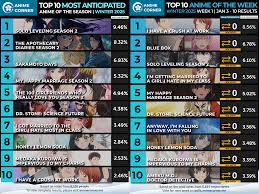
🎌 The Rise of Anime: How Japanese Storytelling Conquered the World
🌸 Introduction
Anime — once a niche Japanese art form — has exploded into a global phenomenon. From Tokyo to New York, millions of fans watch, discuss, and create content inspired by their favorite anime shows and characters.
But what exactly makes anime so special? And how did it become one of the most powerful storytelling industries on the planet?
🗾 What Is Anime?
Anime refers to Japanese animated shows and films, usually based on manga (Japanese comics).
Unlike traditional Western cartoons, anime covers a wide range of genres — from action, romance, and fantasy to philosophical dramas and slice-of-life stories.
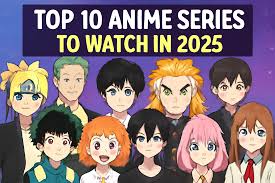
Famous examples include:
- Naruto — the journey of a ninja chasing his dreams.
- Attack on Titan — humanity’s fight for survival against giant creatures.
- Demon Slayer — breathtaking visuals and emotional storytelling.
- One Piece — a never-ending adventure of friendship and freedom.
🌍 The Global Boom of Anime
In the early 2000s, anime was mostly known among hardcore fans.
Now, thanks to streaming platforms like Netflix, Crunchyroll, and Hulu, anime has reached mainstream audiences worldwide.
Why Anime Took Over:
- Deep Storytelling – Unlike most cartoons, anime dives into complex themes like loss, identity, and destiny.
- Unique Art Styles – Each series has its own stunning visual identity.
- Relatable Emotions – Even in fantasy worlds, anime characters show raw human emotion.
- Community Power – Online fandoms and conventions keep anime culture alive and evolving.
💫 Popular Genres of Anime
Anime isn’t “one thing.” It’s a universe of genres for every kind of viewer.
Here are some of the most loved:
| Genre | Description | Popular Titles |
|---|---|---|
| Shōnen | Action & adventure for young males | Naruto, Dragon Ball Z, One Piece |
| Shōjo | Romance & drama aimed at young females | Sailor Moon, Fruits Basket |
| Seinen | Mature themes for adults | Attack on Titan, Tokyo Ghoul |
| Isekai | “Other world” adventures | Re:Zero, Sword Art Online |
| Slice of Life | Everyday experiences, emotion-driven | Your Lie in April, Clannad |
💥 Anime’s Impact on Global Pop Culture
Anime has influenced:
Fashion (cosplay, streetwear brands like Uniqlo’s anime collabs)
- Music (J-Pop, anime openings on Spotify charts)
- Hollywood (live-action remakes and anime-inspired movies)
- Social Media (TikTok edits, Threads, and Instagram fan art)
Anime is no longer “just for kids.” It’s a cultural bridge — connecting people through stories of courage, friendship, and emotion.
🧠 Fun Fact
Did you know?
Over 60% of the world’s animated TV content now originates from Japan. The anime industry is worth over $25 billion and continues to grow every year.
🌟 Conclusion
Anime is more than entertainment — it’s a global art form that speaks to the heart.
Whether you’re crying with Your Name, laughing at One Punch Man, or thrilled by Demon Slayer, anime reminds us that emotion has no language barrier.
As technology and creativity evolve, one thing is certain:
The world will keep watching — and loving — anime. 🎬💖
The History of Anime

Introduction
Anime, the distinct style of Japanese animation, has become a global cultural force, influencing art, entertainment, and technology worldwide. From its humble beginnings in the early 20th century to its current status as a multibillion-dollar industry, anime reflects Japan’s social changes, technological progress, and artistic imagination. Its evolution mirrors the story of modern Japan itself—resilient, innovative, and ever-adaptive.
Early Origins (1910s–1940s)
The roots of anime trace back to the early 1900s, when Japanese filmmakers began experimenting with animation techniques inspired by Western pioneers like Walt Disney and Émile Cohl. One of the earliest known Japanese animations, Namakura Gatana (The Dull Sword, 1917), featured simple, hand-drawn sequences. Many early works were lost due to natural disasters and the destruction of World War II, but surviving fragments show that Japanese artists were already developing unique visual storytelling methods.
During the 1930s and 1940s, Japan’s animation industry grew under government sponsorship. The Imperial Japanese Army commissioned propagandistic cartoons to promote nationalism, such as Momotarō no Umiwashi (Momotaro’s Sea Eagles, 1943) and Momotarō: Umi no Shinpei (Momotaro: Sacred Sailors, 1945), considered Japan’s first feature-length animated film. Despite being propaganda, these films were significant for their technical achievements and narrative sophistication, laying the groundwork for postwar animation.
Postwar Recovery and the Birth of Modern Anime (1950s–1960s)
After World War II, Japan underwent massive reconstruction, and the entertainment industry reflected both optimism and hardship. Animation studios like Toei Animation (founded in 1948) began producing family-friendly films inspired by Disney but infused with Japanese folklore. Toei’s Hakujaden (The Tale of the White Serpent, 1958) was Japan’s first color animated feature and helped establish the visual and emotional tone that would define anime.

The 1960s marked a revolutionary period for anime, largely due to Osamu Tezuka, often called the “God of Manga.” Tezuka adapted his popular manga Tetsuwan Atom (Astro Boy, 1963) into Japan’s first serialized TV anime. With limited budgets, Tezuka introduced techniques like limited animation—using fewer frames to cut costs—while emphasizing expressive characters and compelling stories. This innovation made weekly anime production possible and accessible to television audiences.
Other series, such as Kimba the White Lion (1965) and Speed Racer (1967), expanded anime’s global reach. These early TV shows laid the foundation for anime’s serialized storytelling format, which would become a hallmark of the medium.
Expansion and Experimentation (1970s)
By the 1970s, anime had matured into a thriving industry with diverse genres. The decade introduced mecha (giant robot) anime, combining science fiction with drama. Mazinger Z (1972) by Go Nagai was groundbreaking for depicting robots piloted by humans, an idea that later influenced countless franchises.
At the same time, anime began tackling more serious and complex themes. Series like Space Battleship Yamato (1974) and Mobile Suit Gundam (1979) reflected Japan’s postwar anxieties and technological ambitions. Gundam, in particular, transformed the mecha genre by focusing on political conflict and human emotion rather than simple heroism, creating what became known as the “real robot” subgenre.
The 1970s also saw the rise of anime fandom and merchandise culture. Toys, model kits, and manga tie-ins became integral to the industry’s success. This convergence of media—later called the media mix—became a defining feature of Japan’s entertainment strategy.
The Golden Age (1980s)
The 1980s are often described as the “Golden Age of Anime,” fueled by Japan’s economic boom and technological innovation. Studios like Studio Ghibli, founded in 1985 by Hayao Miyazaki and Isao Takahata, elevated anime to high art. Films such as Nausicaä of the Valley of the Wind (1984), My Neighbor Totoro (1988), and Grave of the Fireflies (1988) combined hand-drawn beauty with profound emotional depth.
Meanwhile, the OVA (Original Video Animation) market emerged, allowing creators to release animations directly to video without television restrictions. This opened the door to experimental and mature storytelling, exemplified by Bubblegum Crisis (1987) and Legend of the Galactic Heroes (1988).
Another pivotal moment came with Akira (1988), directed by Katsuhiro Otomo. Its groundbreaking animation quality and cyberpunk vision astonished global audiences and introduced anime to Western pop culture on an unprecedented scale. Akira demonstrated that anime could deliver cinematic experiences equal to live-action Hollywood films.

Globalization and Technological Change (1990s)
During the 1990s, anime became a global phenomenon. Series like Dragon Ball Z, Sailor Moon, and Pokémon captivated audiences worldwide, introducing an entire generation to Japanese animation. These series combined dynamic action, serialized narratives, and emotional depth that appealed across cultures.
At the same time, directors continued to push creative boundaries. Neon Genesis Evangelion (1995) deconstructed the mecha genre with its psychological complexity and apocalyptic themes, becoming one of the most influential anime ever made. Its blend of philosophy, religion, and existentialism reflected Japan’s economic uncertainty during the “Lost Decade.”
Technological advances also began reshaping production. Digital animation tools replaced traditional cel animation, streamlining workflows but sparking debates about the loss of hand-drawn artistry. Nevertheless, anime continued to thrive as both an art form and a business.
The 2000s: Mainstream Acceptance
In the early 2000s, anime firmly established itself in mainstream entertainment worldwide. International distribution expanded through television channels like Cartoon Network’s Toonami and streaming services such as Crunchyroll, founded in 2006. Western studios began collaborating with Japanese creators, leading to hybrid productions and growing cross-cultural exchange.
Anime films achieved global acclaim during this period. Miyazaki’s Spirited Away (2001) won the Academy Award for Best Animated Feature—the first anime to do so—and proved that Japanese animation could compete on the world stage. Meanwhile, series such as Naruto, Fullmetal Alchemist, and Death Note attracted massive global fanbases and cemented anime’s role in youth culture.
The rise of the internet also transformed fandom. Online communities, fan translations (fansubs), and conventions created a global network of anime enthusiasts, accelerating cultural exchange and fueling demand for more content.

The Digital Era (2010s–Present)
The 2010s saw anime enter the streaming era. Platforms like Netflix, Hulu, and Amazon Prime invested heavily in anime, making it more accessible than ever. This democratization allowed niche genres and independent creators to reach international audiences.
Visually, anime embraced digital techniques and 3D animation while retaining traditional aesthetics. Hits like Attack on Titan (2013), Your Name (2016), and Demon Slayer (2019) showcased stunning visuals and emotionally charged storytelling. Your Name, directed by Makoto Shinkai, became one of the highest-grossing anime films in history and symbolized the medium’s global reach.
Culturally, anime became mainstream across the world. Fashion, music, and gaming integrated anime aesthetics, while major Western creators cited anime as inspiration. The medium also diversified, with more female creators, LGBTQ+ representation, and experimental narratives emerging.
Conclusion

From short black-and-white sketches in the 1910s to billion-dollar global franchises today, anime’s century-long journey reflects the fusion of art, technology, and culture. It has evolved from propaganda and children’s stories into a sophisticated medium capable of exploring complex emotions, philosophies, and social issues. Anime’s universal appeal lies in its ability to tell deeply human stories through fantastical worlds—a bridge between imagination and reality.
As anime continues to evolve in the digital age, its influence only grows stronger, shaping not just Japanese culture but global popular culture as a whole. Whether through timeless classics or cutting-edge digital works, anime remains a testament to the power of storytelling—and to Japan’s enduring creative spirit.