
The Rise of Dropshipping: A Modern Revolution in E-Commerce
Introduction
In the ever-evolving world of e-commerce, dropshipping has emerged as one of the most accessible and profitable business models for aspiring entrepreneurs. Unlike traditional retail, where business owners must invest heavily in inventory and logistics, dropshipping allows individuals to sell products online without ever handling physical stock. The model relies on partnerships with suppliers who manage product storage, packaging, and shipping directly to customers. This simplicity has made dropshipping an attractive option for small businesses, digital nomads, and anyone seeking financial independence through online entrepreneurship. However, despite its many advantages, dropshipping also presents unique challenges that must be carefully managed to ensure long-term success.

Understanding the Dropshipping Model
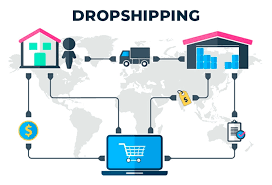
At its core, dropshipping is a retail fulfillment method where an online store doesn’t keep the products it sells in stock. Instead, when a customer places an order, the store purchases the item from a third-party supplier—often a wholesaler or manufacturer—who then ships the product directly to the customer. This means the seller never physically handles the goods, and startup costs are drastically reduced.
The process typically involves three main players:
- The Retailer (You): Runs the online store, lists the products, and markets them to customers.
- The Supplier: Manages inventory, fulfills orders, and ships products on your behalf.
- The Customer: Purchases from your store, often unaware that a third-party supplier is involved.
The retailer earns a profit from the difference between the wholesale price paid to the supplier and the retail price charged to the customer. For instance, if a supplier charges $15 for a product and the retailer sells it for $30, the profit margin (before expenses) is $15.
Why Dropshipping Has Become So Popular
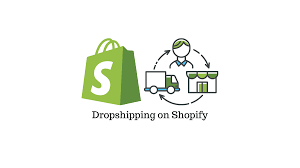
The rapid rise of dropshipping can be attributed to a combination of technological innovation, low entry barriers, and changing consumer behavior. Platforms like Shopify, WooCommerce, and Wix have made it easy for anyone to create a professional online store without coding skills. Meanwhile, global supplier directories such as AliExpress, Oberlo, and Spocket allow retailers to source millions of products instantly.
Several factors make dropshipping appealing:
- Low Startup Costs: Entrepreneurs don’t need to invest in bulk inventory, warehouses, or shipping infrastructure.
- Flexibility: You can run the business from anywhere with an internet connection.
- Scalability: As sales increase, most operational work (such as packaging and shipping) remains the supplier’s responsibility.
- Wide Product Range: Sellers can test new products easily without committing to large quantities.
In essence, dropshipping democratizes e-commerce by removing traditional barriers to entry. It enables almost anyone—from students to stay-at-home parents—to start a business with minimal financial risk.
The Business Mechanics of Dropshipping
While dropshipping seems simple, running a successful store requires strategic planning and continuous optimization. The process can be divided into four key stages:
- Product Selection: The success of a dropshipping business largely depends on choosing the right niche. High-demand, low-competition products with good profit margins are ideal. Examples include fitness gear, phone accessories, or eco-friendly household items.
- Building an Online Store: Platforms like Shopify and WooCommerce provide user-friendly tools for creating visually appealing and functional stores. Effective website design, clear navigation, and trustworthy payment gateways help boost sales.
- Marketing and Branding: Since anyone can sell similar products, marketing is where dropshippers can stand out. Strategies include social media advertising, influencer marketing, email campaigns, and search engine optimization (SEO).
- Customer Service and Retention: Although suppliers handle shipping, the retailer is responsible for communication, handling returns, and building customer trust. Excellent customer support helps establish a strong brand reputation.
Ultimately, dropshipping success lies in managing relationships — both with suppliers and customers — while maintaining a strong online presence.
Advantages of Dropshipping
Dropshipping offers several advantages that make it an appealing business model:
- Low Financial Risk: You only purchase products after receiving customer payments.
- No Inventory Management: This eliminates the cost and complexity of storing goods.
- Product Flexibility: You can easily add, remove, or test products without major losses.
- Global Reach: You can sell to customers worldwide since suppliers often ship internationally.
- Time Efficiency: Automation tools can streamline order processing and inventory updates.
These benefits make dropshipping ideal for first-time entrepreneurs, side hustlers, and anyone seeking to test business ideas before fully committing.
Challenges and Risks in Dropshipping
Despite its advantages, dropshipping is not a guaranteed path to instant wealth. Many newcomers underestimate its challenges. Common issues include:
- Low Profit Margins: Because entry barriers are low, competition is high, and price wars often reduce profitability.
- Supplier Reliability: If a supplier ships the wrong item or delays an order, your business reputation suffers.
- Limited Quality Control: Since you never handle the product, ensuring consistent quality can be difficult.
- Long Shipping Times: When products are sourced from overseas, especially from Asia, delivery can take weeks.
- Customer Expectations: Shoppers accustomed to fast delivery (like Amazon’s) may be disappointed by slower dropshipping timelines.
To overcome these risks, successful dropshippers carefully vet their suppliers, use reliable shipping methods, and focus on providing transparent communication and value-added services to customers.
The Role of Technology in Modern Dropshipping
Technology has made dropshipping more efficient and competitive than ever before. Automation tools can synchronize product listings, track inventory in real-time, and even handle automatic order fulfillment. Artificial intelligence and data analytics help identify trending products and optimize pricing strategies.
Furthermore, social media platforms such as TikTok, Instagram, and Facebook have become powerful marketing tools. Viral short-form content and influencer collaborations can drive huge traffic spikes, helping small stores compete with large e-commerce brands.
Future Trends in Dropshipping
The dropshipping industry continues to evolve as consumer preferences and technology change. Some key trends shaping the future include:
- Faster Shipping Solutions: Local suppliers and print-on-demand companies are reducing delivery times to compete with traditional retailers.
- Sustainable Products: Eco-conscious consumers are driving demand for environmentally friendly goods and ethical sourcing.
- Personalization: AI-driven recommendations and customized products help brands stand out in crowded markets.
- Niche Focus: Instead of selling generic items, many dropshippers now specialize in specific lifestyles or interests (e.g., pet lovers, gamers, or fitness enthusiasts).
The future of dropshipping will likely emphasize quality, brand identity, and customer experience over simple product reselling.
Conclusion
Dropshipping represents a new era of entrepreneurship — one where innovation, creativity, and digital skills can replace traditional capital investment. It empowers individuals to start businesses from anywhere in the world, offering freedom and flexibility unmatched by conventional retail. However, true success requires more than setting up a store and waiting for sales. It demands research, persistence, strong supplier relationships, and consistent branding.
While the model has its drawbacks — such as thin margins and reliance on third parties — the opportunities remain vast for those who can adapt and innovate. As technology continues to evolve and global connectivity increases, dropshipping will remain a cornerstone of the e-commerce revolution, bridging the gap between small entrepreneurs and a worldwide customer base.